Water beats food
A shallow dish, no deeper than a few centimetres, with a stone in the middle. Refresh it daily — it will out-perform a feeder in dry weather.
How to watch birds properly, and how to make a garden they actually want to stop in.
Birdwatching rewards patience far more than expensive kit.
The first two hours after sunrise are the busiest. Birds feed hard after a cold night and sing to defend territory before the world gets noisy.
You will hear ten birds for every one you see. Learn three calls at a time and they start to separate out of the background hum.
Movement gives you away long before your outline does. Pick a spot with a view of cover and water, then let the birds come back to you.
Colour changes with light. Silhouette, tail length and how a bird moves — hops, walks, creeps up a trunk — are far more reliable clues.
Date, weather, place, and a rough sketch. Six months of scribbles will teach you more about your patch than any book.
Four small changes that bring birds in within a season.
A shallow dish, no deeper than a few centimetres, with a stone in the middle. Refresh it daily — it will out-perform a feeder in dry weather.
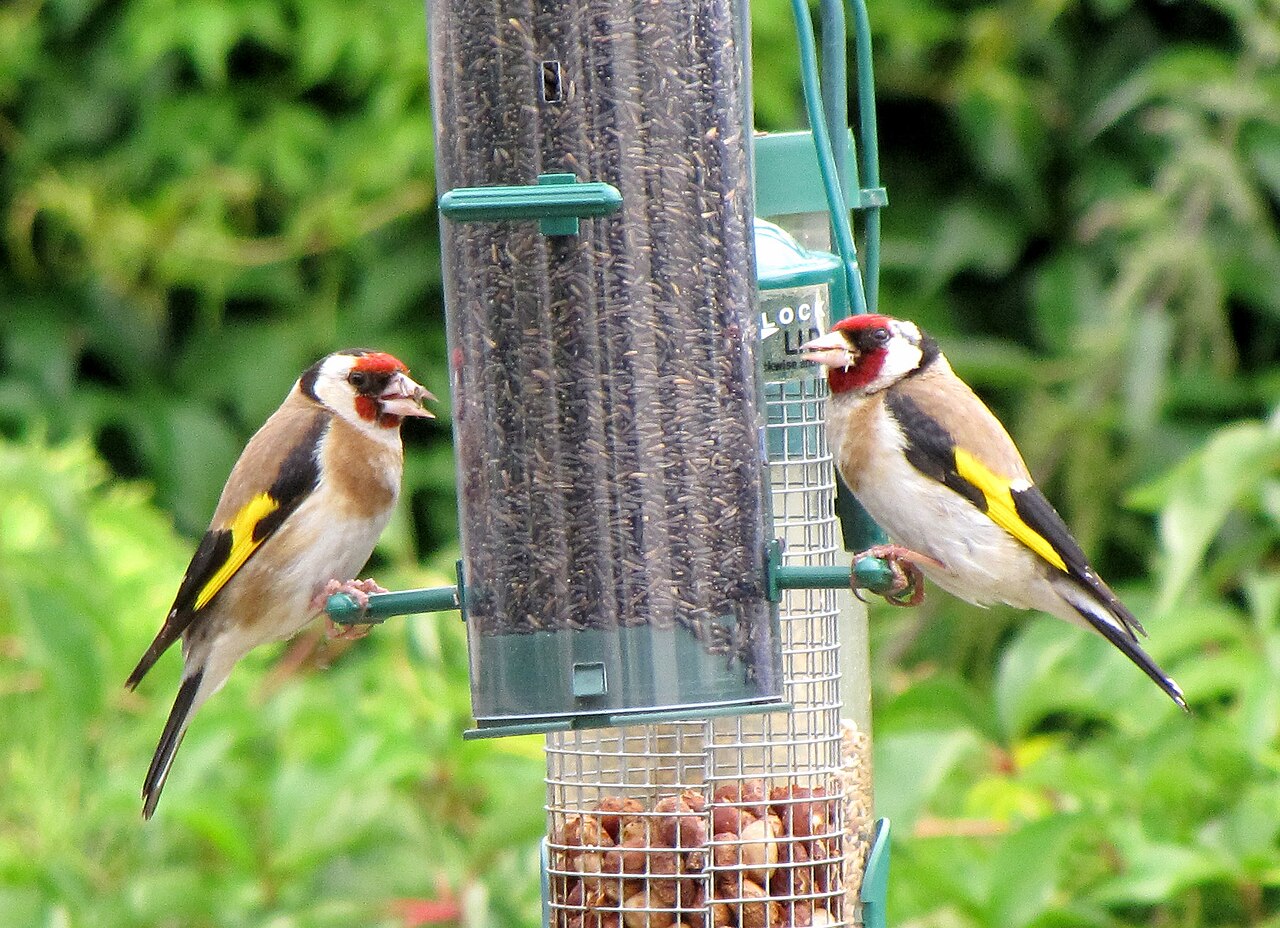
Sunflower hearts and peanuts through winter; live or soaked food in spring when chicks need protein. Clean feeders fortnightly to stop disease spreading.
A pile of leaves, a dead-hedge of prunings, an unmown corner. Untidiness is where the insects live, and insects are what the chicks eat.
Hawthorn, rowan, holly, ivy. Ivy is the quiet hero — late flowers for insects, winter berries for thrushes, and dense cover for nests.
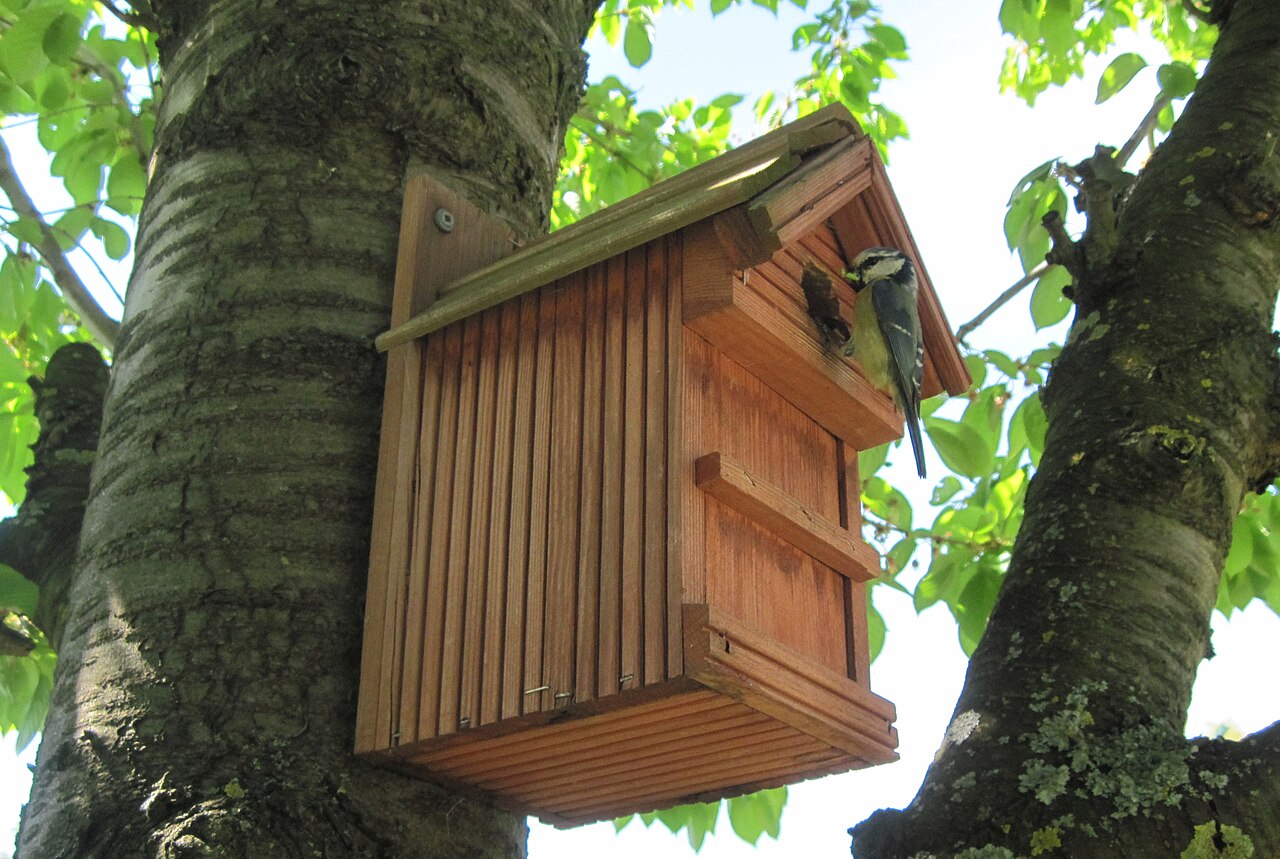
Two afternoon projects that do more for your garden birds than anything you can buy.